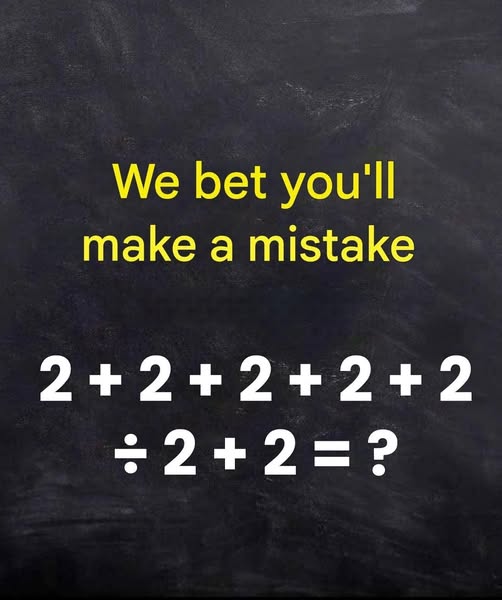
If you said 10 cents, you’re not alone—this is the answer most people give instinctively. But it’s actually wrong.
Breaking Down the Correct Solution
Here’s how to solve it correctly:
Let x be the cost of the ball.
Then the bat costs x + $1.00.
The total cost is x + (x + $1.00) = $1.10.
Combine terms:
2x + $1.00 = $1.10
2x = $1.10 – $1.00
2x = $0.10
x = $0.05
So the ball costs 5 cents, and the bat costs $1.05.
The 10-cent answer is almost automatic—your brain jumps to the easy arithmetic without carefully verifying the relationships. This is a perfect example of how fast thinking can lead you astray.
Why This Puzzle Works
This problem has several qualities that trick nearly everyone:
It’s Simple Yet Misleading
The numbers are round and familiar ($1, 10 cents), so your brain assumes the simplest arithmetic works.
It Exploits System 1 Thinking
According to psychologist Daniel Kahneman, humans have two thinking systems:
System 1: Fast, automatic, intuitive
System 2: Slow, deliberate, analytical
Most people answer “10 cents” using System 1. Checking the work with System 2 requires deliberate effort, which many skip.