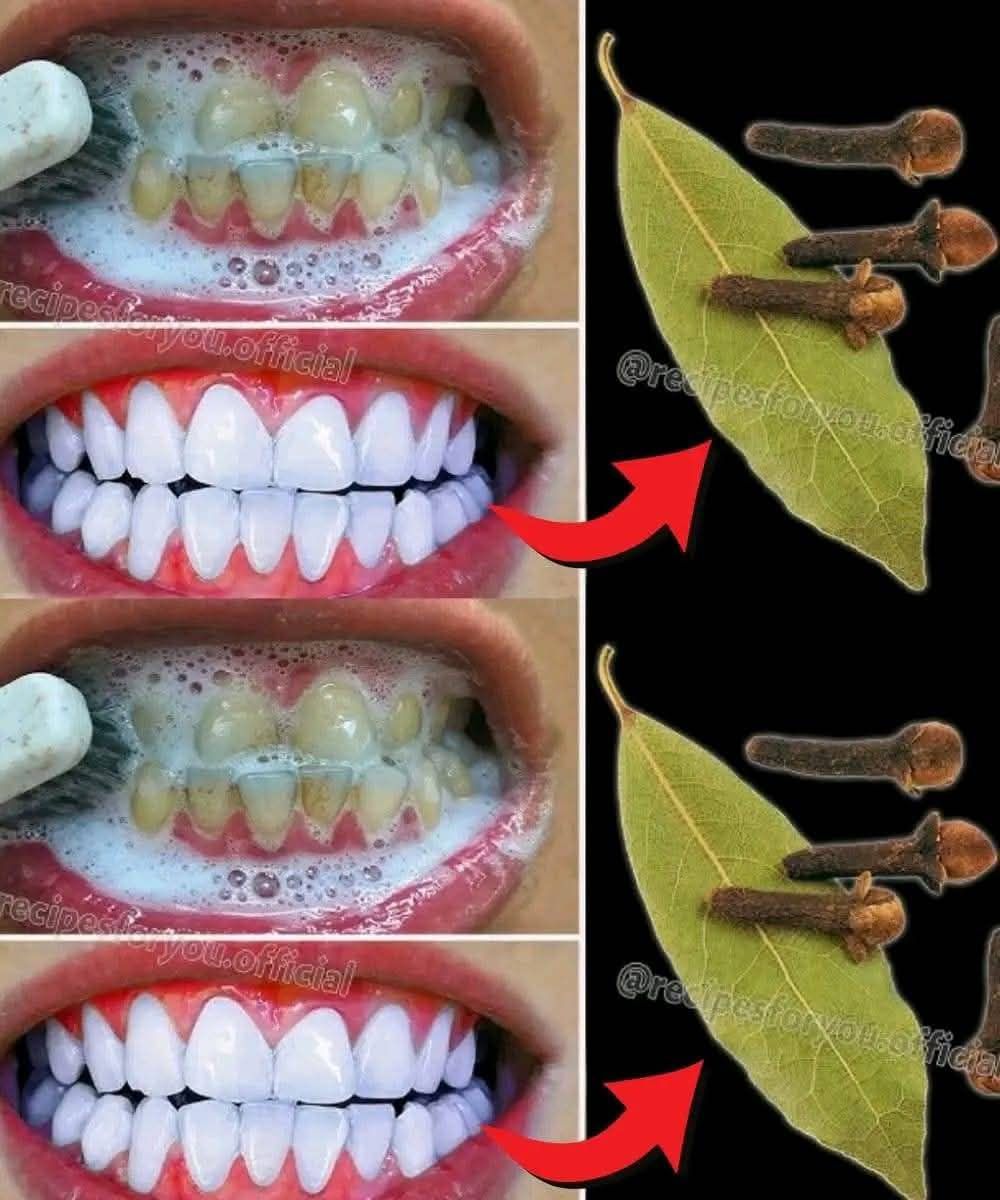
every day—especially after eating. If plaque isn’t removed well, it can harden into tartar (also called calculus). Once hardened, tartar clings strongly to teeth and often collects near the gumline.Common reasons tartar builds upInconsistent brushing (less than twice a day)Skipping flossing, where plaque hides between teethFrequent sugary or starchy snacksSmoking or chewing tobaccoLow saliva flow (saliva helps rinse and balance acids)Staining drinks (coffee, tea, red wine) consumed oftenWhen tartar stays in place too long, it may lead to gum inflammation (gingivitis), stubborn bad breath, and sometimes more serious gum issues.How to Remove Tartar Safely and EffectivelyHere’s the honest truth: You can prevent plaque from hardening at home, but removing established tartar usually requires a professional cleaning. The safest approach is a mix of smart home care + dental visits.1) Professional dental cleaning (the fastest, safest option)A dental cleaning (prophylaxis/scaling) is the most reliable way to remove tartar without harming enamel.Why it helps: tartar is fully removed, including hard-to-reach areasHow often: many people benefit from every 6 months, or at least once a year (depending on your dentist’s advice)2) Brush the right way (and don’t rush it)Brushing twice daily is good—but technique matters more than force.Use a soft-bristle brushAngle the brush gently toward the gumlineBrush for 2 full minutesReplace your brush (or brush head) every 3 monthsTip: An electric toothbrush can make technique easier for many people.3) Floss or use interdental brushes dailyTartar loves the places a toothbrush misses. Flossing removes plaque before it hardens.Floss once a day, gentlyIf floss is difficult, try interdental brushes or a water flosser4) Alcohol-free antibacterial mouthwash (supportive, not magical)A gentle mouthwash can help lower bacterial load and support fresher breath—especially at night.Look for options with fluoride or essential oilsUse as directed (overuse of strong antiseptics isn’t always ideal)Gentle “At-Home”
Goodbye Tartar: How to Remove It and Brighten Your Smile Naturally (Without Damaging Enamel)