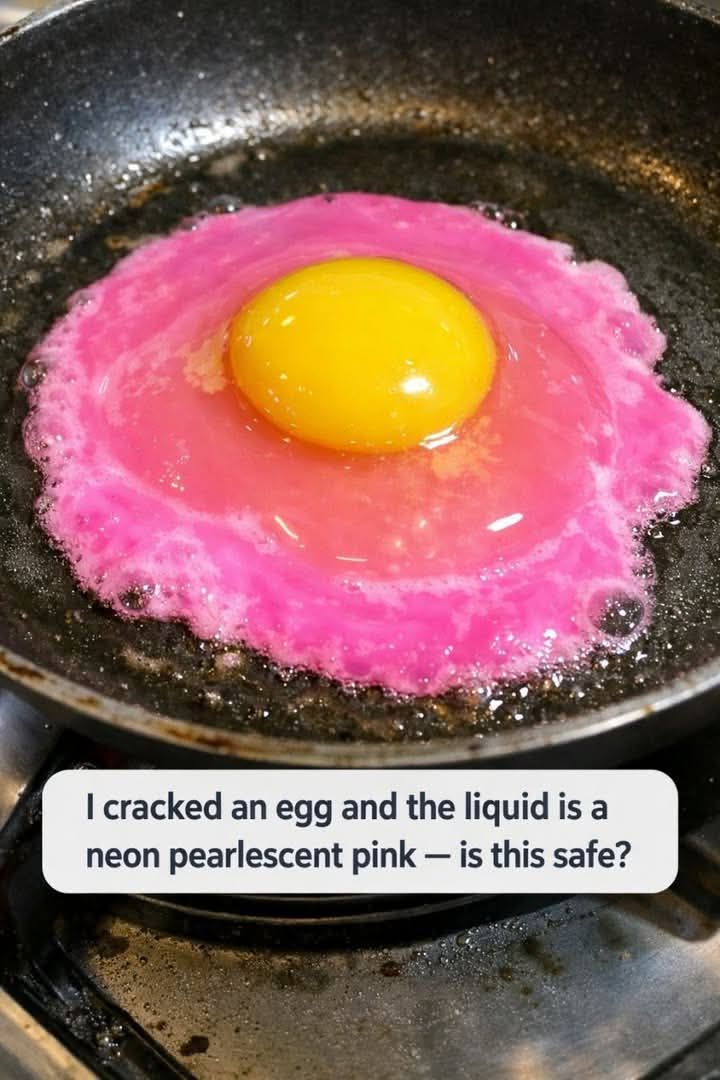
If the egg was stored with other eggs, check them for signs of spoilage or unusual colors. It’s advisable to err on the side of caution and dispose of any eggs that seem questionable.
8. How That Egg Got Contaminated In The First Place
Egg contamination can occur at various stages, from the farm to your kitchen. Eggs can become contaminated with Pseudomonas bacteria if they are laid in unsanitary conditions or if the shells become cracked or compromised after being laid.
Improper storage conditions, such as keeping eggs at room temperature for extended periods, can also promote bacterial growth. It’s crucial to store eggs at a consistent, cool temperature, ideally below 40°F (4°C), to minimize the risk of bacterial contamination.
9. How To Store Eggs To Prevent Bacterial Growth And Color Changes
To prevent bacterial growth and color changes in eggs, store them in the refrigerator at a temperature below 40°F (4°C). Keep the eggs in their original carton to protect them from absorbing odors and flavors from other foods.
Avoid washing eggs before storing them, as this can remove the protective bloom on the shell, making it easier for bacteria to penetrate. If you need to clean eggs, do so just before using them. Additionally, inspect eggs for cracks before storing, as cracks can allow bacteria to enter and spoil the egg.
10. When To Call The Store, The Farm, Or A Food Safety Hotline