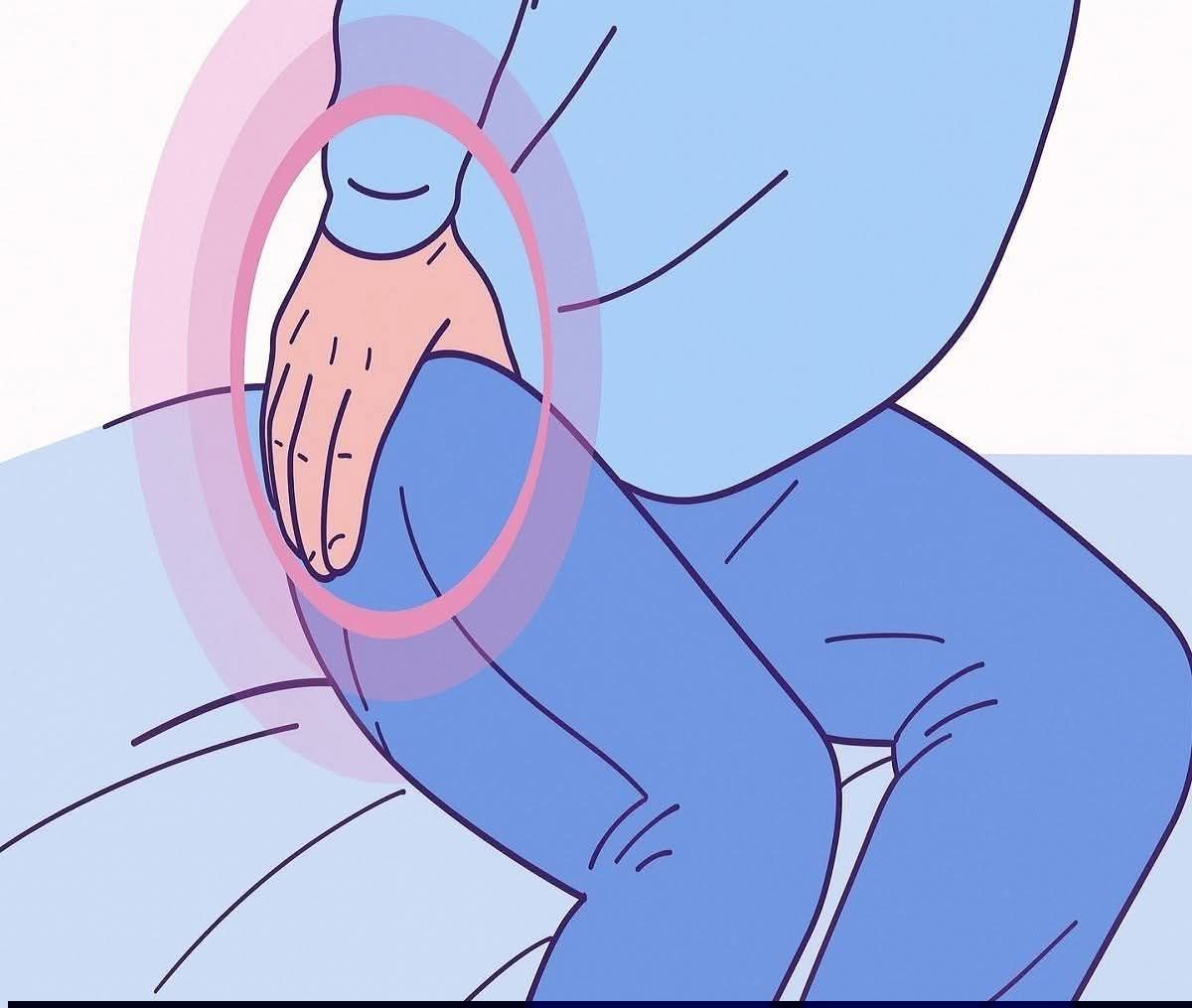
When to Seek Prompt Medical EvaluationContact a healthcare provider if you experience:→ Inability to bear weight on the affected leg→ Severe pain following a fall or injury→ Visible swelling, warmth, redness, or fever (possible infection)→ Numbness, tingling, or weakness radiating down the leg→ Pain that consistently disrupts sleep→ Symptoms persisting beyond 1–2 weeks without improvementNote: These signs don’t always indicate emergency—but they warrant professional assessment to rule out serious conditions and begin appropriate care.💡 Gentle Steps You Can Take TodayWhile professional guidance is essential for persistent pain, these measures may support comfort during early stages:✓ Rest mindfully – Avoid aggravating activities (running, jumping, deep squats), but maintain gentle movement to prevent stiffness✓ Ice strategically – Apply cold packs for 15–20 minutes several times daily during acute flare-ups✓ Stretch gently – Focus on hip flexors, hamstrings, and glutes—only to the point of mild tension, never pain✓ Consider OTC relief – Acetaminophen or NSAIDs (e.g., ibuprofen) may ease discomfort short-term (consult your doctor first if you have underlying health conditions)✓ Support your foundation – Wear shoes with cushioning and arch support; avoid prolonged standing on hard surfaces⚠️ Avoid: “Pushing through” pain, aggressive stretching, or ignoring progressive
If Your Hip Hurts, It’s a Clear Sign That Something May Be Wrong