These are general self-care measures, not prescriptions. Talk to your clinician before changing medications.
Move the pump. Flex ankles 10 times every hour, walk 2-3 minutes every hour of sitting. No marathon needed.
Elevate above heart. 20 minutes, 2-3 times a day, especially in the evening. Pillows under calves, not just feet.
Cut stealth salt. Holiday ham, soups, bread, takeout. Aim to keep sodium under ∼2,000 mg/day for a few days and see if evenings improve.
Compression — with caution. Light knee-high compression socks (15-20 mmHg) help venous pooling if you have no arterial disease, diabetes with neuropathy, or open sores. Put them on in the morning, off at night.
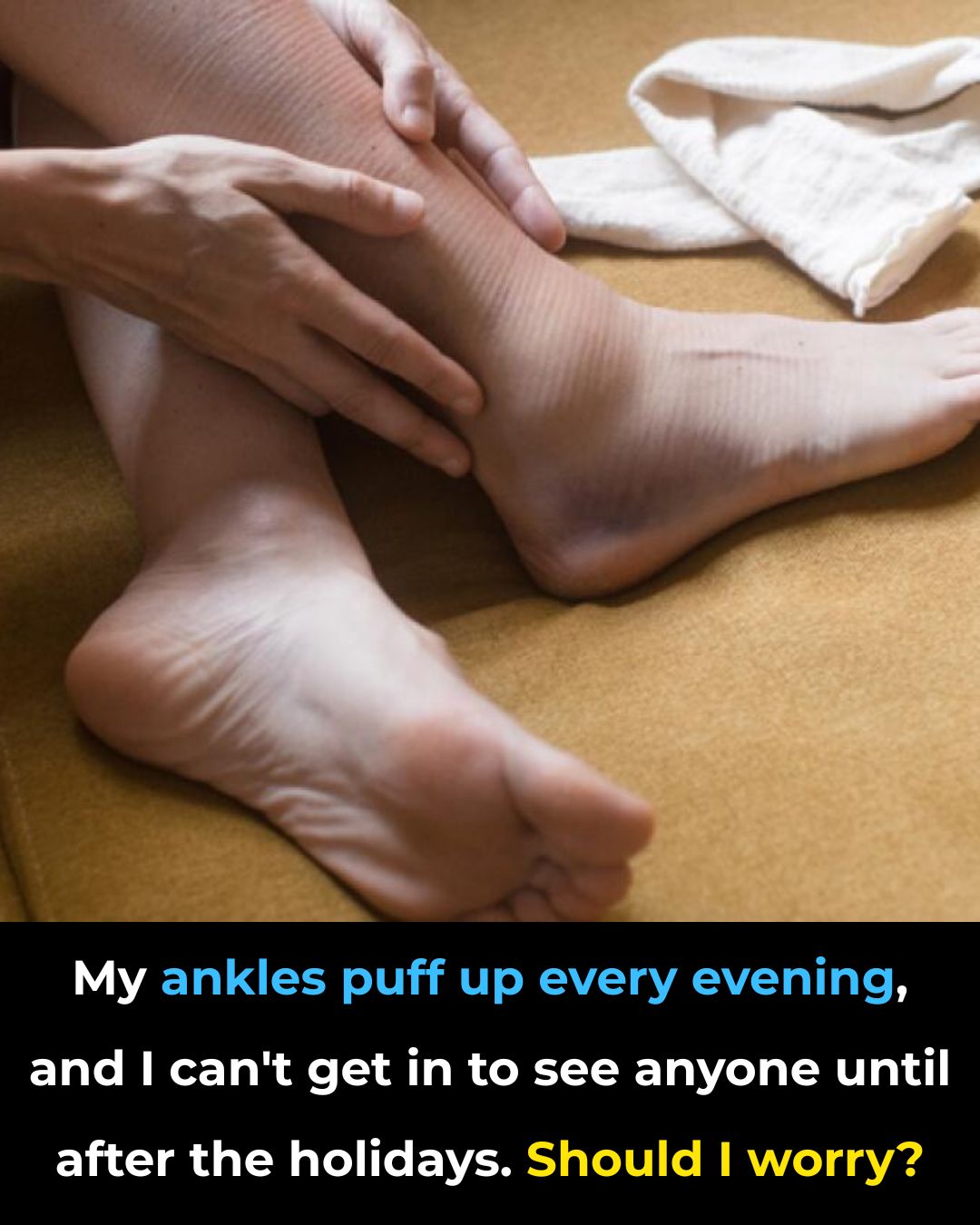
Track it. Each evening, press gently on shin for 5 seconds — if it leaves a dent, note depth. Weigh yourself each morning. Bring photos and a log to your appointment.
Avoid: extra water pills, potassium supplements, or "detox teas" from social media. They can worsen kidney or heart issues.
What your doctor will likely check after the holidays
Expect a focused history (medications, salt, travel, heart/kidney history), exam of legs, heart, and lungs, and basic labs: kidney function, electrolytes, liver panel, thyroid, urinalysis, and possibly BNP for heart strain. If one leg is involved, a duplex ultrasound rules out DVT. If both, they may check venous reflux.
So, should you worry?