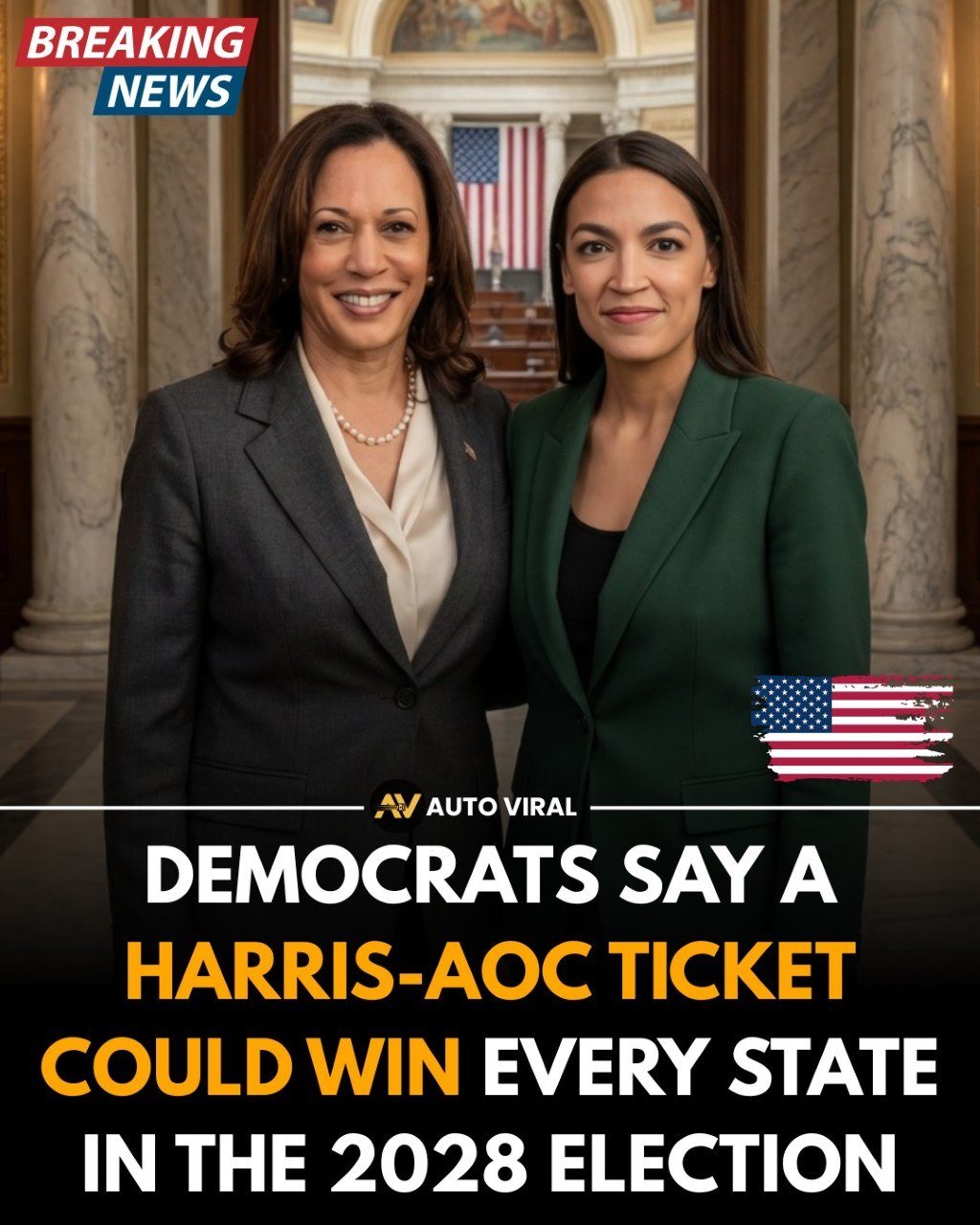
Perception in politics is not merely about misinformation or propaganda; it is about how individuals construct meaning from the information available to them. Humans are not purely rational actors. Cognitive biases, emotional responses, social identity, and cultural context all shape how people interpret political messages.
For example, two individuals can observe the same economic data—say, rising GDP alongside increasing inequality—and arrive at completely different conclusions. One might see prosperity and progress, while the other sees injustice and exclusion. Both perceptions are rooted in reality, but they emphasize different aspects of it.
Political actors understand this dynamic well. Campaigns are not just about presenting facts; they are about framing those facts in ways that resonate with voters’ values and emotions. A policy can be described as “tax relief” or “revenue loss,” “security measures” or “civil liberty restrictions.” Each framing evokes a different reaction, even if the underlying policy remains unchanged.
Media plays a central role in shaping these perceptions. Traditional news outlets, social media platforms, and digital influencers all contribute to the construction of political narratives. In an era of information overload, the challenge is not access to information but the ability to interpret and prioritize it. Algorithms further complicate this by curating content based on user preferences, reinforcing existing beliefs and creating echo chambers.
Narrative vs. Reality
Political narratives often simplify complex realities. They reduce multifaceted issues into digestible stories with clear heroes, villains, and solutions. While this simplification is necessary for communication, it can also distort reality.
Consider how economic downturns are explained. A narrative might blame a specific leader, a political party, or an external factor such as globalization. While these elements may play a role, the full picture is usually far more complex, involving structural issues, long-term trends, and global interdependencies.
Narratives are powerful because they provide coherence. They help people make sense of uncertainty and align with a broader worldview. However, when narratives diverge too far from reality, they can lead to misguided policies and disillusionment.