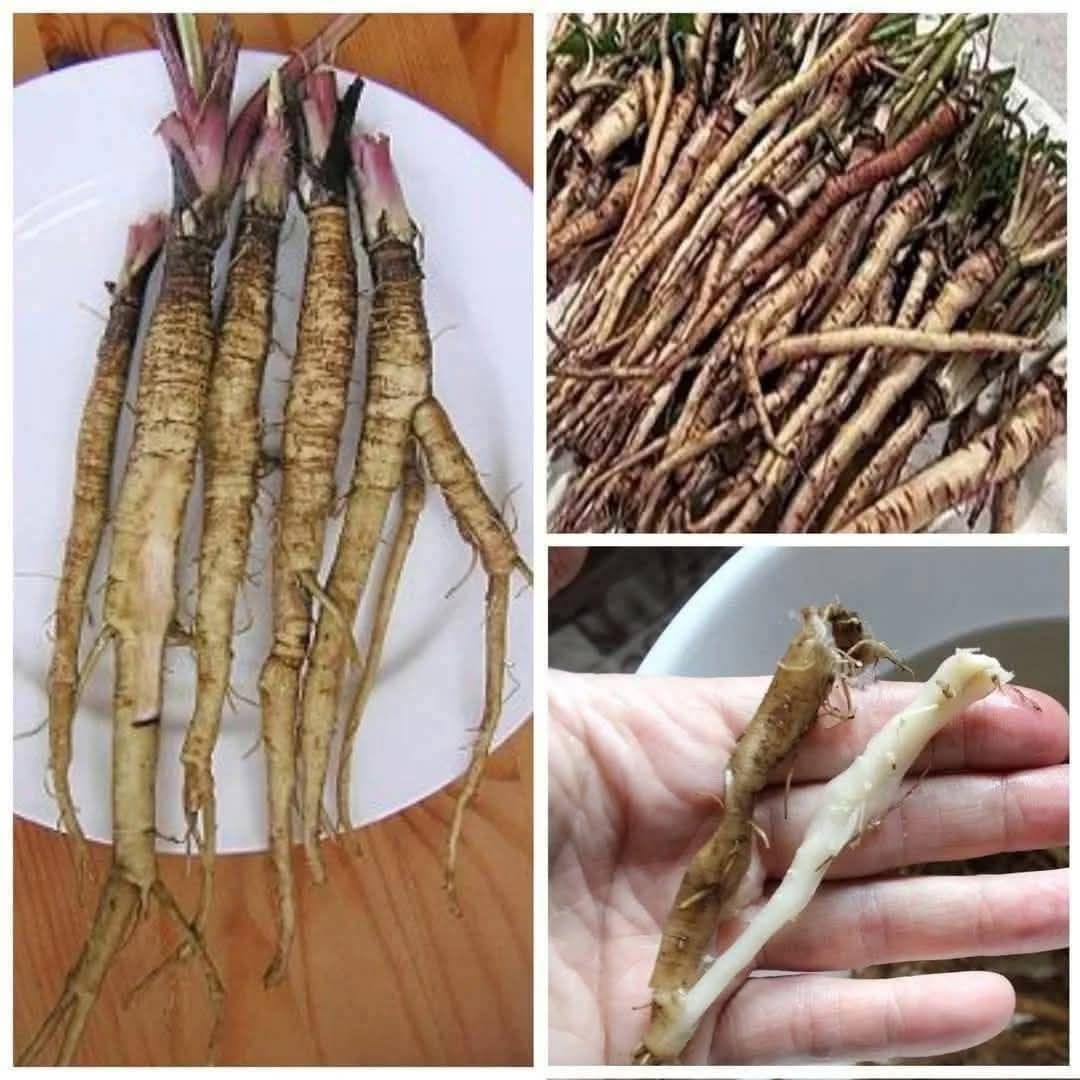
In this extensive article, we will explore the many facets of skirret, examining its history, cultivation, potential medicinal benefits, and culinary uses. The article will also address the claims surrounding its anti-cancer properties and explore the scientific basis for such assertions.
The History of Skirret: From Ancient Rome to Modern Day
Skirret’s historical significance dates back thousands of years, with early records indicating its cultivation by the ancient Romans. The Roman naturalist and author Pliny the Elder mentioned skirret in his encyclopedic work Natural History, noting its importance as a food source. This suggests that skirret was not only valued for its taste but also for its practical use in Roman gardens and kitchens.
During medieval times, skirret was widely grown across Europe, particularly in monastic gardens where it was prized for its versatility and its medicinal properties. It was often consumed as a vegetable in soups, stews, and pies, and was sometimes boiled, mashed, or roasted like potatoes. In fact, skirret was such a common and beloved vegetable that it even appeared in the royal gardens of England during the Tudor period. Skirret’s sweetness made it a popular choice for both savory and sweet dishes, and it was often used in pies and other pastries.
However, over the centuries, as new crops like the potato became more widespread and easier to grow, skirret slowly fell out of favor. Its decline in popularity was further exacerbated by the rise of industrialized farming practices, which favored high-yield crops that were easier to cultivate and harvest. Despite this, skirret was still cultivated in some parts of Europe into the 18th and 19th centuries, though it was increasingly seen as a novelty or a crop of the past.
Skirret’s Nutritional Profile: A Rich Source of Vitamins and Minerals
Skirret is a nutrient-dense vegetable that offers a variety of essential vitamins and minerals. Its roots are rich in carbohydrates, making it an excellent source of energy. Unlike potatoes, which are primarily composed of starch, skirret contains a higher percentage of sugars, giving it a natural sweetness that distinguishes it from other root vegetables.