Step 4: Nutrient Absorption in the Small Intestine
The chyme moves into the small intestine, where the pancreas, liver, and gallbladder contribute digestive enzymes and bile to aid further breakdown. The small intestine’s walls have tiny hair-like structures called villi, which absorb nutrients into the bloodstream. The body retains these essential nutrients—such as proteins, carbohydrates, fats, vitamins, and minerals—for energy and cellular functions.
Step 5: Separation of Waste
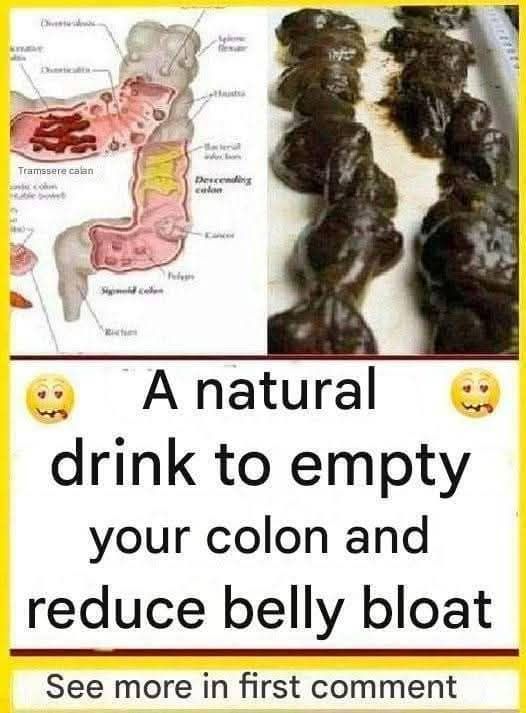
After nutrient absorption, the remaining indigestible material, including fiber, dead cells, and excess water, moves into the large intestine (colon). Here, the body absorbs water and any remaining nutrients. The colon plays a critical role in balancing hydration levels and forming solid waste.
Step 6: Waste Elimination
Once the waste is sufficiently processed and solidified into feces, it moves into the rectum, where it is stored until the body is ready for elimination. The nervous system signals when it’s time to expel waste through the anus in a process known as defecation.
Importance of the Colon in Overall Health