Key Terms of the Ceasefire
The ceasefire agreement — provisional and conditional — includes the following core components:
1. Suspension of Hostilities
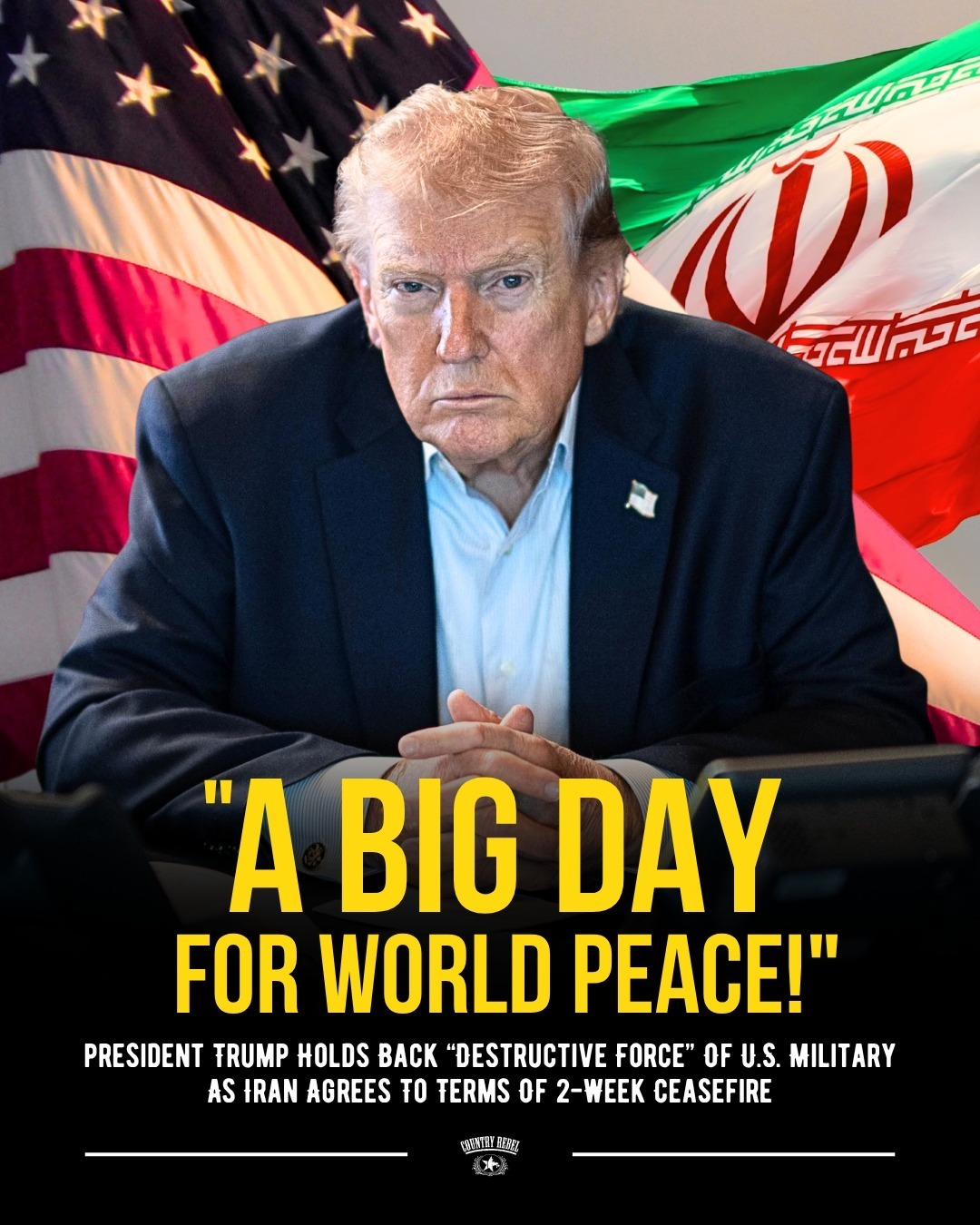
Both the U.S. and Iran agreed to stop offensive military operations for a period of two weeks. Trump described this as a double‑sided ceasefire and said that U.S. military objectives had been largely met, creating room for diplomacy.
2. Reopening the Strait of Hormuz
The most critical condition leading to the ceasefire was Tehran’s agreement to resume safe passage through the Strait of Hormuz, a lifeline for global energy shipments. Iran said it would coordinate with its armed forces to allow safe shipping, although the specifics — including whether Iran would charge tolls or retain military control — remain matters of dispute.
3. Negotiations in Islamabad
Both sides committed to begin negotiations in Islamabad, Pakistan, starting Friday following the ceasefire announcement. Trump stated that Iran had submitted a 10‑point proposal that he viewed as a “workable basis” for discussion. Tehran’s official position, however, suggested more expansive demands — including sanctions relief and control over the strait — which Trump did not fully embrace publicly.
4. Israel’s Position
Israel, a key U.S. ally in the conflict, granted its support to the ceasefire but clarified that it does not apply to the fighting against Hezbollah in Lebanon. That specifies that certain theaters of conflict are excluded from the truce, complicating the pathway to broader regional peace.
Reactions Around the World