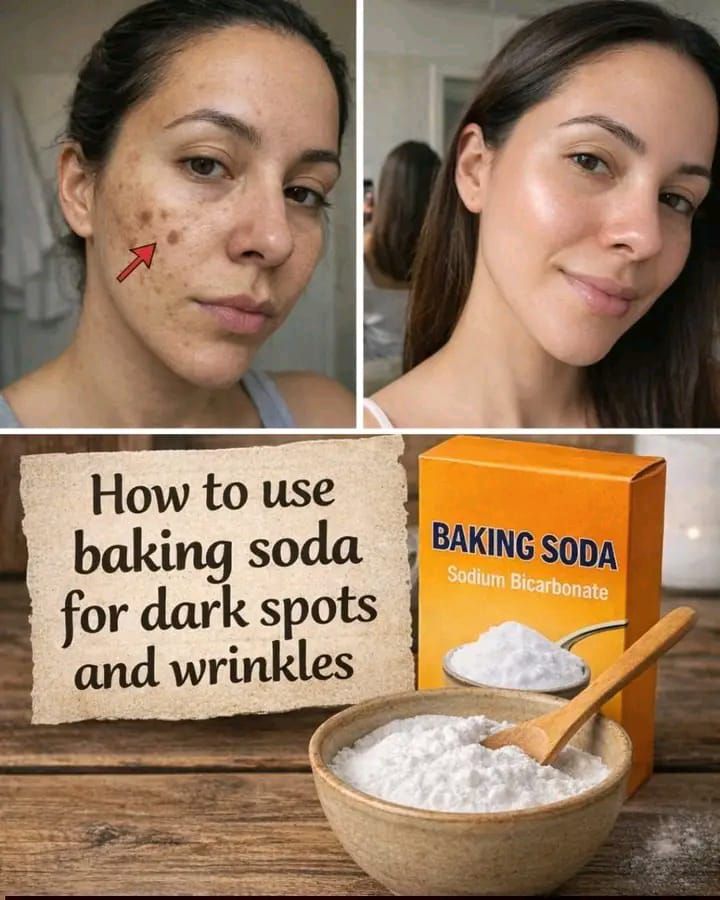
Healthy facial skin typically maintains a slightly acidic pH between 4.5 and 5.5. This “acid mantle” acts as a protective barrier, helping retain moisture and defend against harmful bacteria. When you apply something alkaline like baking soda, it can temporarily disrupt that balance.
That shift is exactly why people are curious about it—but also why it deserves careful consideration before use.
Why Baking Soda Became a DIY Skincare Trend
Baking soda continues to appear in home skincare routines for a few simple reasons: it’s cheap, easy to find, and seems to offer quick visible results.
Here’s what draws people in:
Gentle exfoliation (at first glance): Its fine particles can help remove surface buildup and dead skin cells, leaving the skin feeling smoother temporarily.
Oil absorption: It may reduce excess shine by soaking up sebum, which appeals to those with oily or combination skin.
Convenience: No need to buy specialty products—it’s already in your kitchen.
Some people report softer, fresher-looking skin after using it occasionally, especially when mixed with gentler ingredients. But those short-term results don’t tell the whole story.
The Risks Most People Overlook
Despite its popularity, baking soda isn’t as harmless as it may seem when used on the face.
Here’s why experts urge caution: