Consider how fashion has evolved over time. High heels were once worn by men in European courts. Long hair on men has been a symbol of strength and rebellion in different eras. Meanwhile, women have worn trousers for decades now, despite it once being considered inappropriate. If clothing and style can shift so dramatically, how can we depend on them as definitive markers of gender?
The same applies to physical features. Not all women have the same body shape, voice pitch, or facial structure. Human diversity is vast, and trying to reduce identity to a checklist of traits ignores that complexity.
Gender vs. Biological Sex
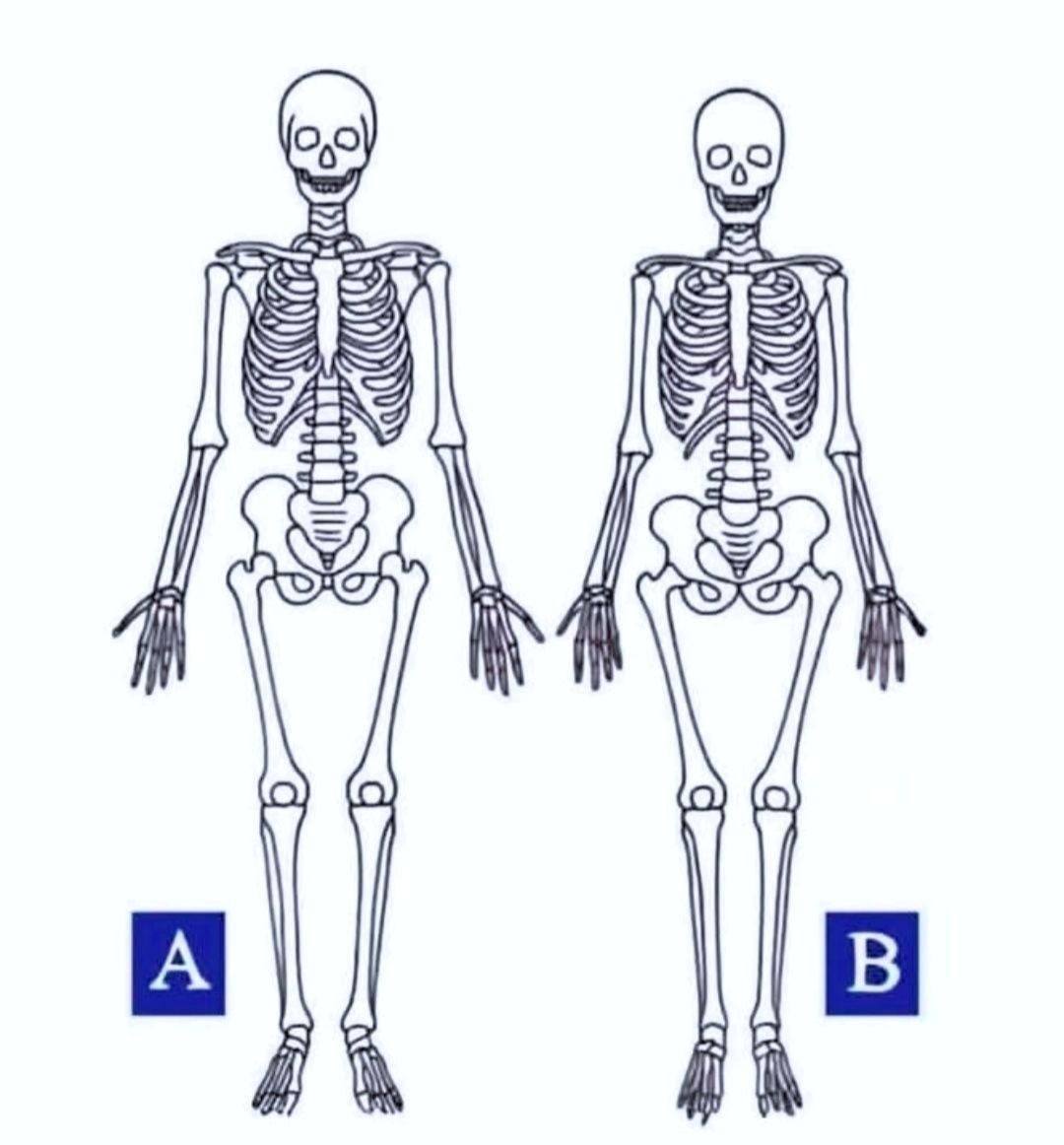
To understand why the question “Which one is a woman?” is not always straightforward, it’s important to distinguish between biological sex and gender.
Biological sex typically refers to physical attributes such as chromosomes, hormones, and reproductive anatomy. Even here, things are not always binary. Intersex individuals, for example, are born with variations in sex characteristics that don’t fit typical definitions of male or female.
Gender, on the other hand, is a social and personal identity. It encompasses how someone sees themselves and how they express that identity in the world. Being a woman is not solely about biology; it is also about lived experience, self-identification, and cultural context.
The Role of Self-Identification
One of the most important aspects of identity is that it comes from within. A woman is someone who identifies as a woman. This may sound circular at first, but it reflects a fundamental truth: no external observer can fully determine another person’s identity.
This becomes especially relevant when discussing transgender women—individuals who were assigned male at birth but identify and live as women. Their womanhood is not defined by others’ perceptions but by their own understanding of themselves.