If you’re growing lavender in containers, drainage becomes even more important. We wrote a full guide on growing lavender in pots successfully that covers exactly what to watch out for.
4: pH-reshly Balanced
Hand holding a soil PH tool
Now that you’ve opened up the soil and fixed draining issues, checking whether the roots can actually access nutrients is the next step.
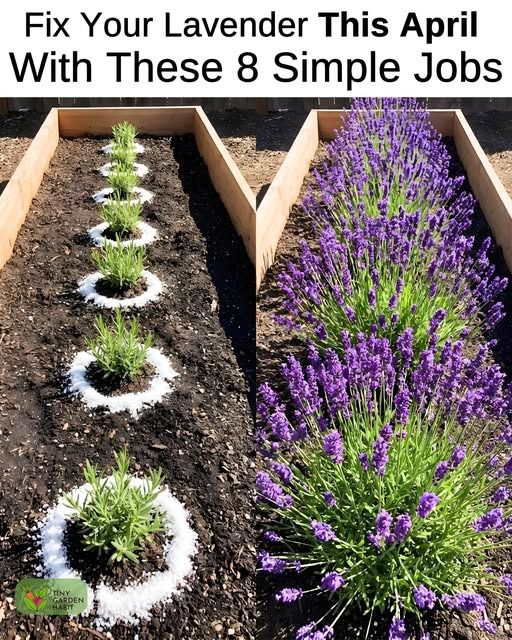
Soil that’s too acidic is a silent killer. It can limit nutrient availability and slow lavender’s growth. Lavender prefers slightly alkaline soil, and I aim for a reading between 6.5 to 7.5.
Rainwater (which has a pH of around 5.6) and decomposing organic matter can gradually make soil more acidic over time.
Quick tip: If needed, garden lime can help raise the pH, becoming your best defensive tool. Apply it based on a soil test rather than guessing!
And if you’re wondering about feeding your plants, we also explain when to fertilize lavender for the best blooms and how to avoid overdoing it.
5: Removing Weeds
Weeding the garden. Removing weeds
Nobody likes uninvited guests stealing all the nutrients right when the plant is starting its active growth phase. I remove any grass and stubborn weeds around the base that compete with my lavender.
Every nutrient these invaders take can reduce healthy growth and future blooms. Keeping the area clear helps your lavender focus all its energy on strong development.
6: Pruning Tips
lavender shrub pruning
You can shape your lavender by lightly pinching or trimming the soft green tips of active stems. This trick encourages the plant to branch out and produce a fuller, more rounded shape.