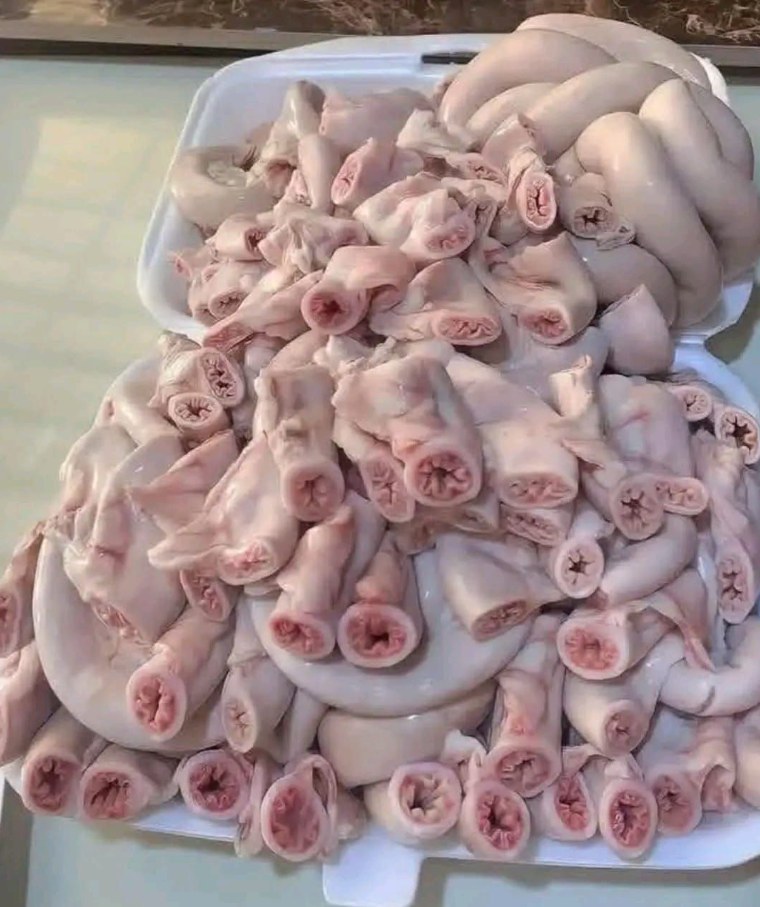
Supermarkets are masters of presentation. Meat is often treated with gases like carbon monoxide or nitrogen to preserve its bright red color far longer than it would naturally last. That vibrant hue you associate with “freshness” doesn’t necessarily reflect the actual age or quality of the product—it reflects chemistry and packaging technology.
In many cases, the meat has traveled long distances, spent days (or weeks) in transit, and undergone processing before ever reaching the shelf. By the time it lands in your shopping cart, it may be far from the farm-fresh image the packaging suggests.
Factory Farming at Scale
Most supermarket meat doesn’t come from small, idyllic farms. It comes from industrial-scale operations designed to maximize efficiency and output. Animals are often raised in confined environments, fed optimized diets to accelerate growth, and processed in high-speed facilities.
This system isn’t inherently hidden—it’s just rarely emphasized. Labels focus on price per kilogram, expiration dates, and branding, not on the living conditions of the animals or the full journey from farm to shelf.
Even terms like “farm-raised,” “natural,” or “premium” can be misleading. These phrases are often loosely regulated or used more for marketing than for meaningful transparency.
The Supply Chain Reality