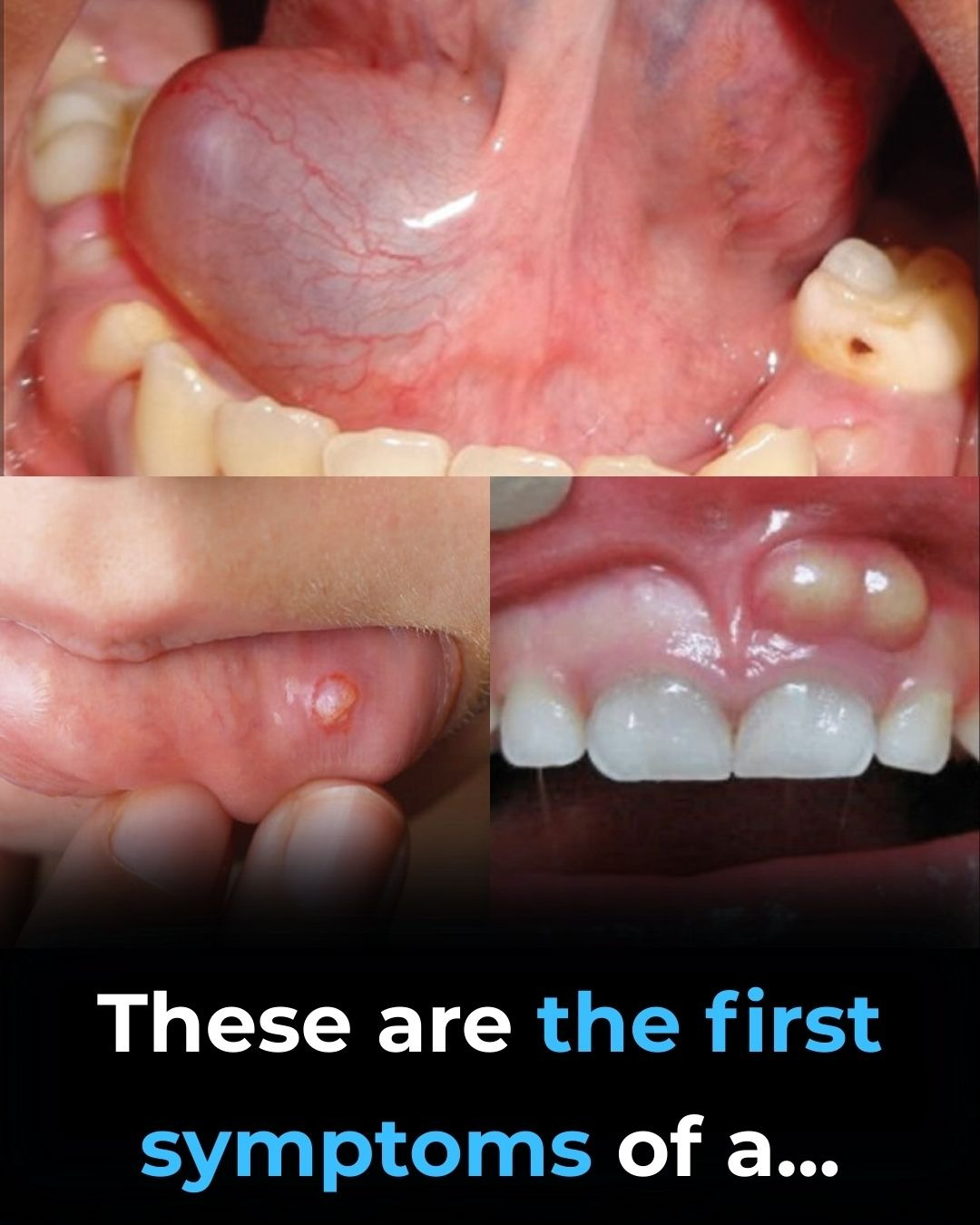
🔍 How to Perform a 2-MMinute Oral Self-Exam
You don’t need special equipment. Just a well-lit room and a mirror.
Look and Feel: Look at your face and neck for asymmetry, swelling, or lumps. Feel along your jawline and neck for enlarged lymph nodes.
Check Lips and Gums: Pull your upper lip up and lower lip down. Look for sores or color changes. Check your gums for swelling or bleeding.
Inspect Cheeks: Use your finger to pull your cheek out. Look inside for red, white, or dark patches. Feel for lumps. Repeat on the other side.
Examine Tongue: Stick your tongue out. Look at the top, sides, and underside. Feel for lumps or texture changes.
Check Roof and Floor of Mouth: Look up at the roof of your mouth. Tilt your head back to see the floor of your mouth and under your tongue.
Throat Check: Say "Ahhh" and look at the back of your throat for redness or swelling.
Do this once a month. It becomes a habit, like brushing your teeth.
⚠️ Risk Factors: Who Is Most at Risk?
Understanding your risk helps you stay vigilant.
Tobacco Use: Smoking cigarettes, cigars, pipes, or using chewing tobacco/snuff is the #1 risk factor.
Heavy Alcohol Use: Drinking heavily increases risk, especially when combined with tobacco.
HPV (Human Papillomavirus): HPV-16 is a sexually transmitted virus linked to a rising number of oropharyngeal cancers in younger, non-smoking adults.
Sun Exposure: Prolonged sun exposure increases the risk of lip cancer.
Age and Gender: Risk increases with age, and men are twice as likely to develop oral cancer as women.
Diet: A diet low in fruits and vegetables may increase risk.
🩺 What Happens at the Dentist?
Your dentist is your first line of defense. During regular checkups, they perform an oral cancer screening.
Visual Exam: They look for the signs listed above.
Hidden Dangers in Your Mouth: Early Signs of Oral Cancer