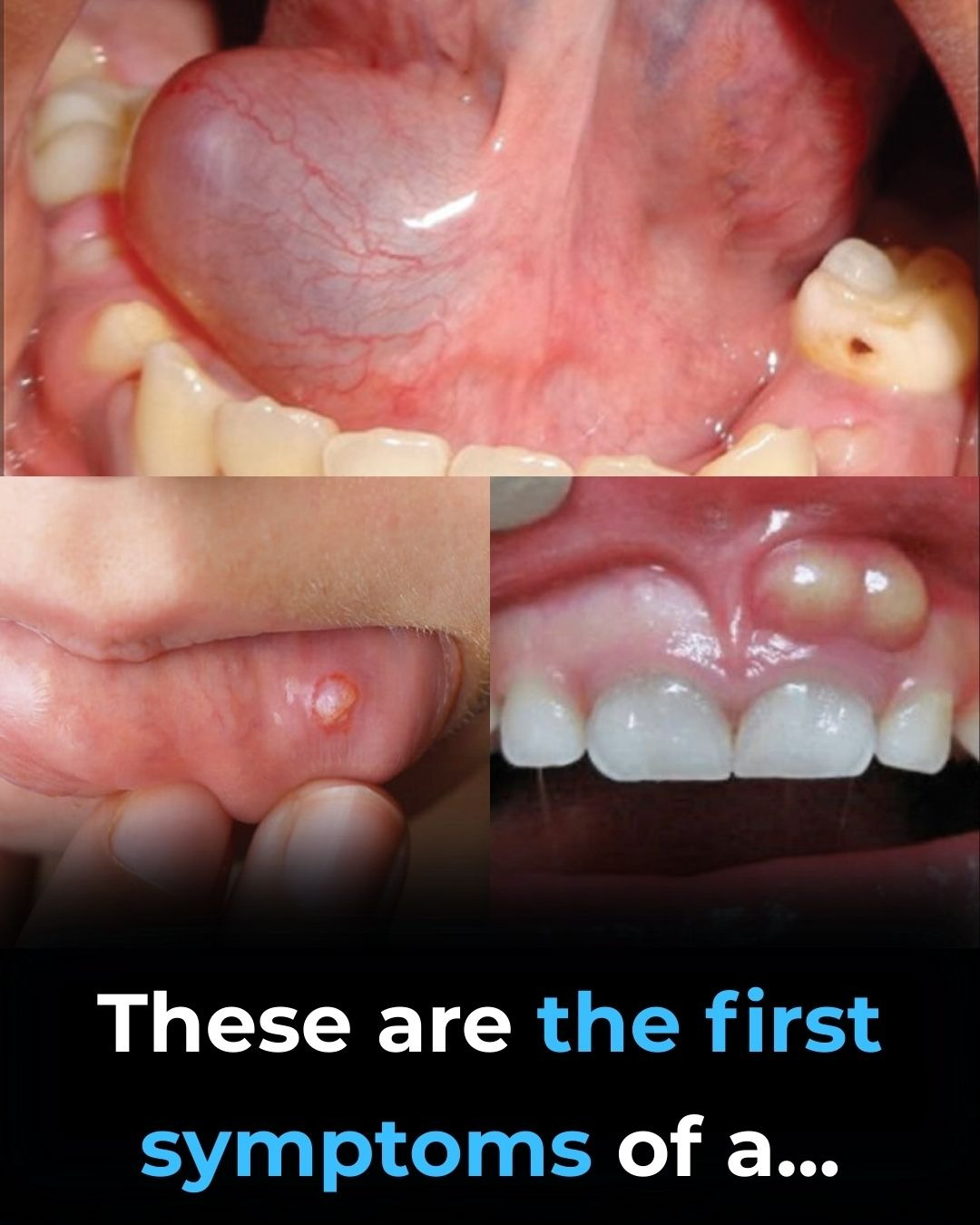
Physical Palpation: They feel your jaw, neck, and inside your mouth for lumps.
Adjunctive Tools: Some dentists use special lights or dyes to highlight abnormal tissues, though visual exam remains the gold standard.
If something looks suspicious:
Your dentist may recommend a biopsy. This involves removing a small sample of tissue for lab analysis. It’s the only way to definitively diagnose oral cancer. Don’t panic if a biopsy is recommended; most biopsies come back benign. But it’s better to know.
💡 Prevention and Early Detection Tips
Quit Tobacco: If you smoke or chew tobacco, quitting is the single best thing you can do to lower your risk.
Limit Alcohol: Drink in moderation.
Get Vaccinated: The HPV vaccine can protect against the strains of the virus linked to oral cancer. Talk to your doctor about whether it’s right for you or your children.
Wear Lip Balm with SPF: Protect your lips from UV damage.
Eat a Healthy Diet: Plenty of fruits and vegetables provide antioxidants that protect cells.
See Your Dentist Regularly: Don’t skip your cleanings. Those screenings matter.
FAQs
Q: Is oral cancer painful?
A: Not always. In fact, early-stage oral cancer is often painless. This is why visual checks are so important. Don’t wait for pain to seek help.
Q: Can young people get oral cancer?
A: Yes. Due to HPV, rates of oropharyngeal cancer are rising in adults under 50 who have never smoked.
Q: What does oral cancer look like?
A: It varies. It can be a white patch, a red patch, a sore that won’t
Hidden Dangers in Your Mouth: Early Signs of Oral Cancer