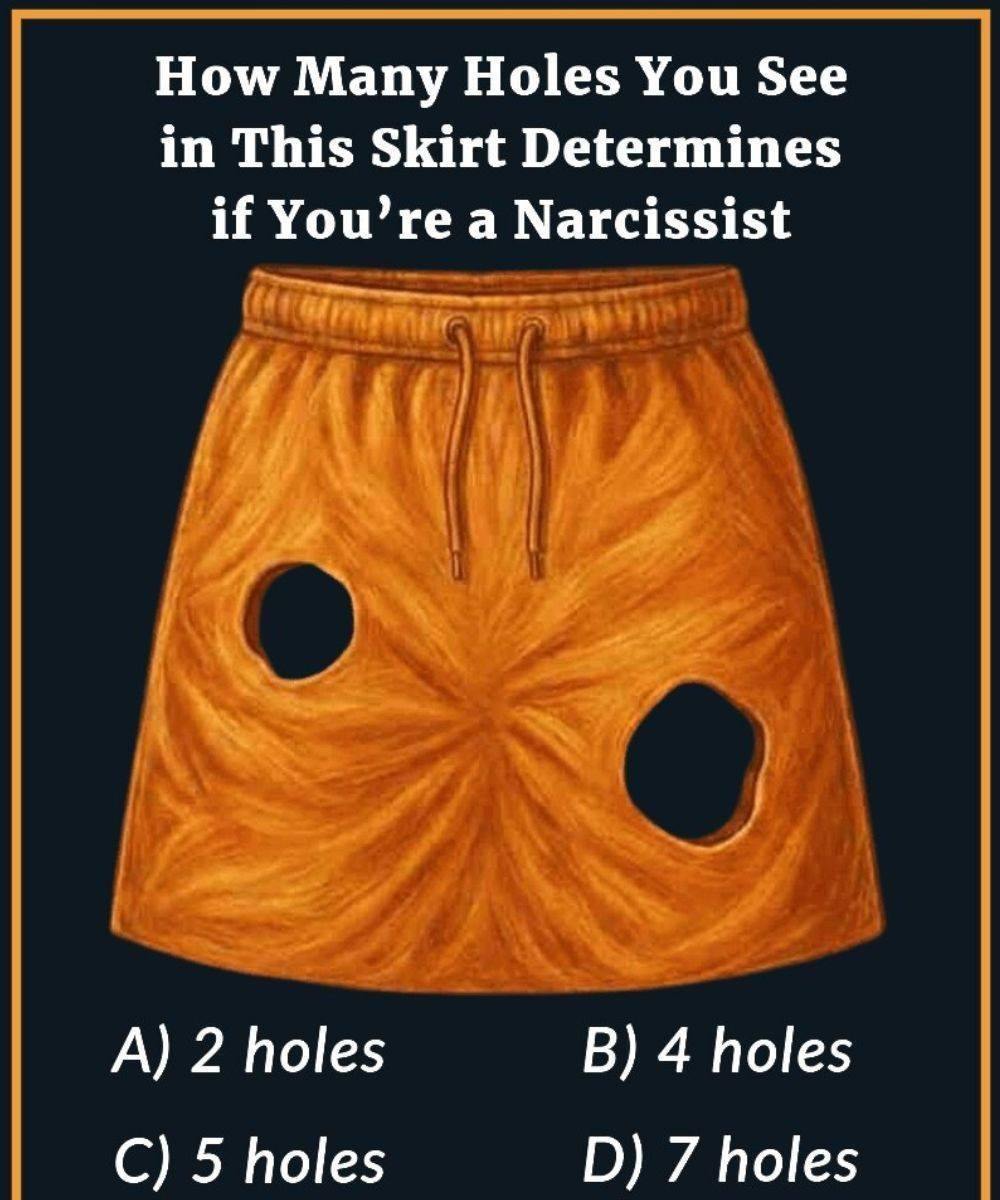
According to the Diagnostic and Statistical Manual of Mental Disorders (DSM-5) published by the American Psychiatric Association, diagnosing this disorder requires a detailed clinical assessment—not a visual puzzle.
Why Do These Claims Go Viral?
If the claim isn’t true, why do so many people believe it?
1. The Appeal of Instant Self-Discovery
People are naturally curious about themselves. Quick “tests” that promise insights into personality are highly appealing.
2. Social Sharing
Content that sparks debate (“I see 6 holes!” vs “No, it’s 4!”) spreads quickly. It encourages:
Comments
Shares
Engagement
3. Authority Illusion
Many posts are presented in a way that sounds scientific, even when they are not. Words like “psychology” or “study shows” give false credibility.
The Psychology Behind Believing It
Believing such claims is not a sign of low intelligence. It’s tied to normal cognitive tendencies.
Confirmation Bias
People tend to accept information that confirms what they already believe.
Cognitive Ease
Simple explanations are easier to accept than complex truths.
Pattern-Seeking