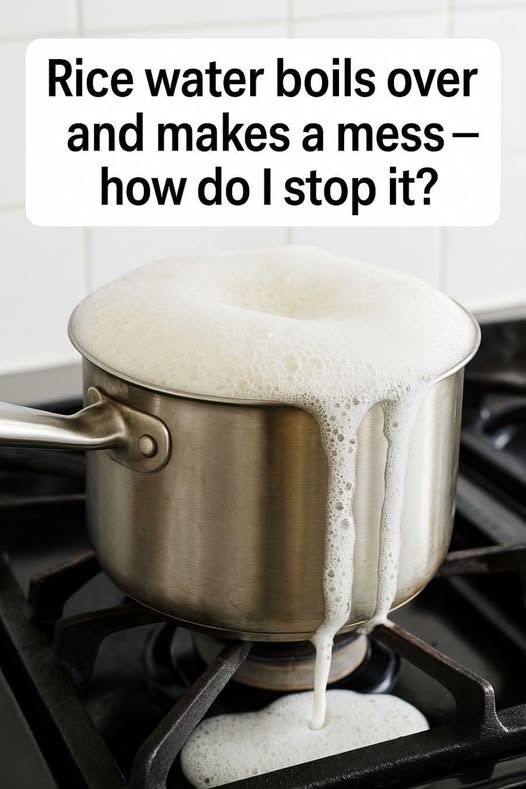
2. Rinse the Rice to Cut Down on Starchy Foam
Rinsing rice before cooking is a simple yet effective way to reduce the amount of surface starch that contributes to boiling over. Place the rice in a fine-mesh strainer and rinse under cold running water, gently swirling the rice with your hand until the water runs clear. This usually takes about 2-3 minutes.
By removing excess starch, you lower the amount of foam produced during cooking, which decreases the chances of a boil-over. This method is particularly effective for varieties like jasmine or basmati rice, which have a higher starch content.
3. Use a Bigger Pot and More Headspace
Using a larger pot provides additional headspace for the rice and water to expand. A good rule of thumb is to fill the pot only halfway with water and rice combined, leaving plenty of room for the water to rise and bubble without spilling over.
If you typically cook 1 cup of rice, consider using a pot that can hold at least 2 quarts. This simple adjustment can significantly reduce the likelihood of boil-overs by providing ample space for the starchy foam to expand safely.
4. Control the Heat: Gentle Simmer, Not a Rolling Boil
Controlling the heat is crucial to preventing rice water from boiling over. Once the water reaches a boil, reduce the heat to maintain a gentle simmer. A vigorous boil produces more steam and agitates the water, which increases the likelihood of a spillover.
By keeping the water at a steady simmer, you reduce the formation of large bubbles and help the starch foam settle. This method not only prevents messes but also ensures the rice cooks evenly and retains its texture.
5. Use the Right Water-to-Rice Ratio
Using the correct water-to-rice ratio is essential for achieving perfectly cooked rice without boil-overs. For most types of white rice, a common ratio is 1 cup of rice to 1.5 t