o 2 cups of water. For brown rice, you might need up to 2.5 cups of water per cup of rice.
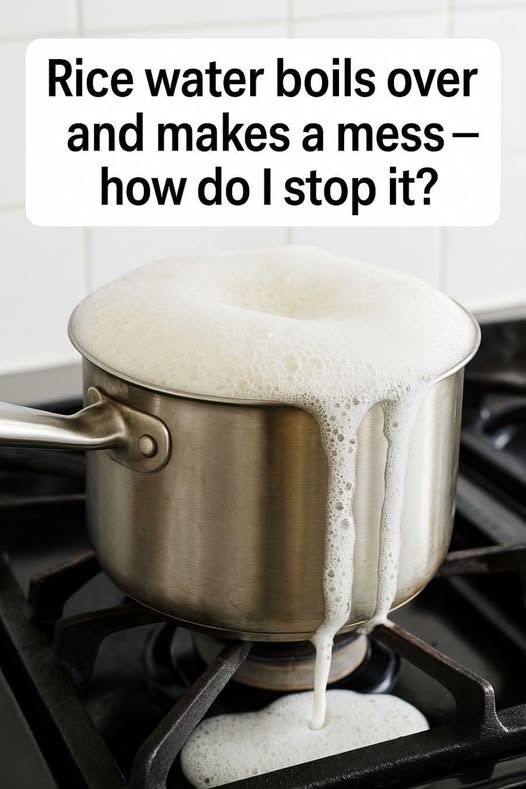
Too much water can cause excessive foaming and increase the risk of boiling over, while too little can result in undercooked rice. Adjusting the ratio according to the rice variety and your cooking method can help you avoid common pitfalls.
6. Don’t Skip the Lid Tricks: Venting, Tilting, and Partial Covers
The way you use the lid can influence whether or not your rice boils over. Leaving a small gap or venting the lid allows steam to escape, reducing pressure inside the pot. You can achieve this by tilting the lid slightly or using a lid with a built-in vent.
Alternatively, you can cover the pot partially rather than sealing it completely. This method allows steam to escape while still trapping enough heat to cook the rice thoroughly. Experiment with different lid positions to find what works best with your pot and stove.
7. Stir at the Start to Break Up Surface Starch
Stirring the rice at the beginning of cooking can help break up the surface starch that contributes to foam formation. After adding rice to boiling water, give it a quick stir to separate the grains and distribute the starch evenly.
This simple step can prevent the formation of a thick starch layer on the surface, minimizing the risk of boil-overs. Just be sure not to over-stir, as this can lead to mushy rice.
8. Add a Splash of Oil or Butter to Tame the Foam