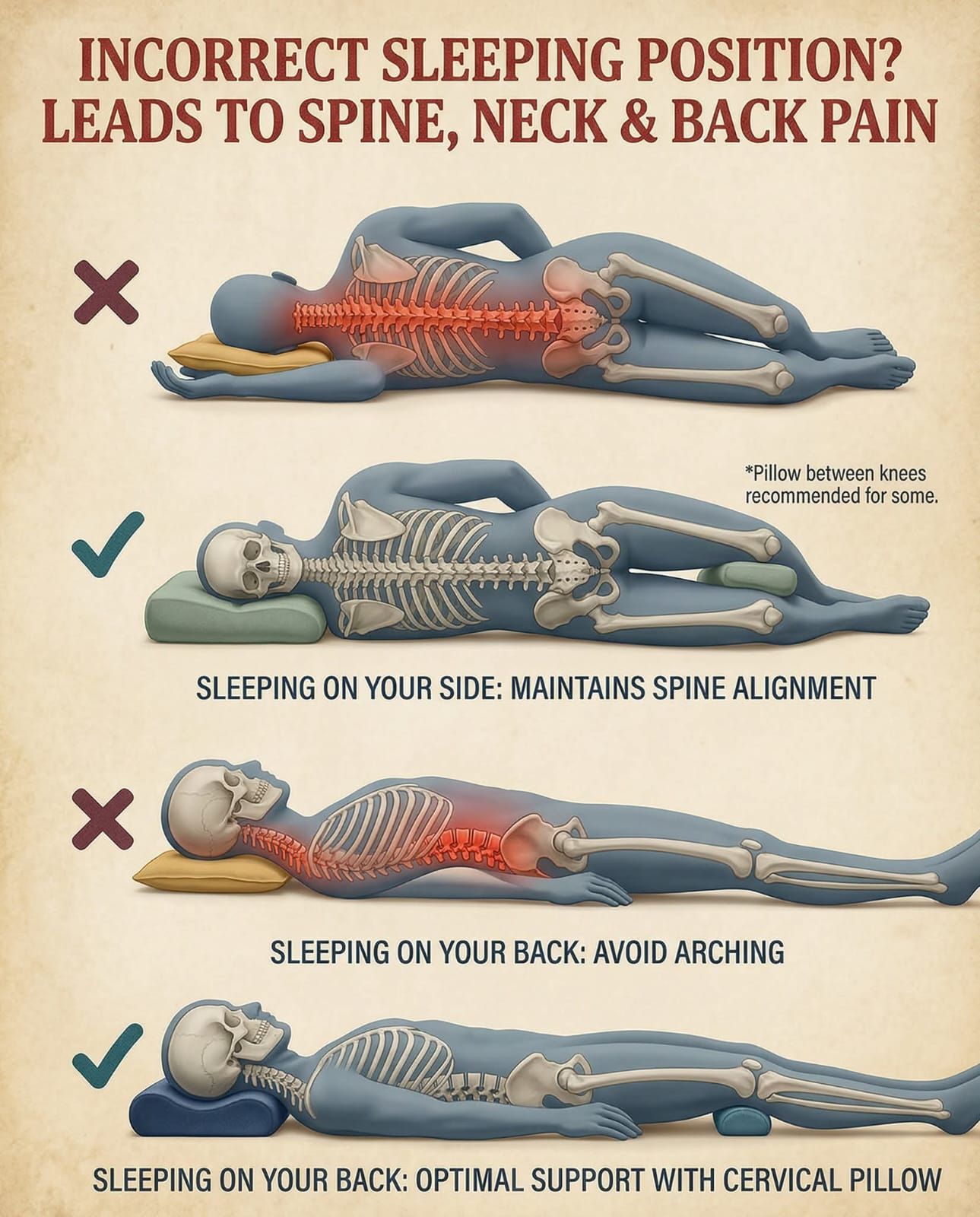
SENIORS: This Sleeping Behavior May Raise Your Stroke Risk
As we age, many of us become more aware of lifestyle habits that affect our heart, brain, and overall vascular health. Sleep is one of those often-overlooked factors. Emerging research suggests that how you sleep — not just how long — could influence your risk of stroke, especially in later years.
In this article, we look at the evidence, clarify the risks, and offer tips on safer sleep postures for seniors.
Why Sleep Matters for Stroke Risk
Sleep is not just “rest.” It’s a critical period for your body to regulate blood pressure, repair blood vessels, clear metabolic waste, and maintain healthy brain function. Poor sleep — including fragmented sleep, abnormal sleep durations, or breathing problems like obstructive sleep apnea — has been linked with higher risks of stroke and other cardiovascular events. (PubMed Central)