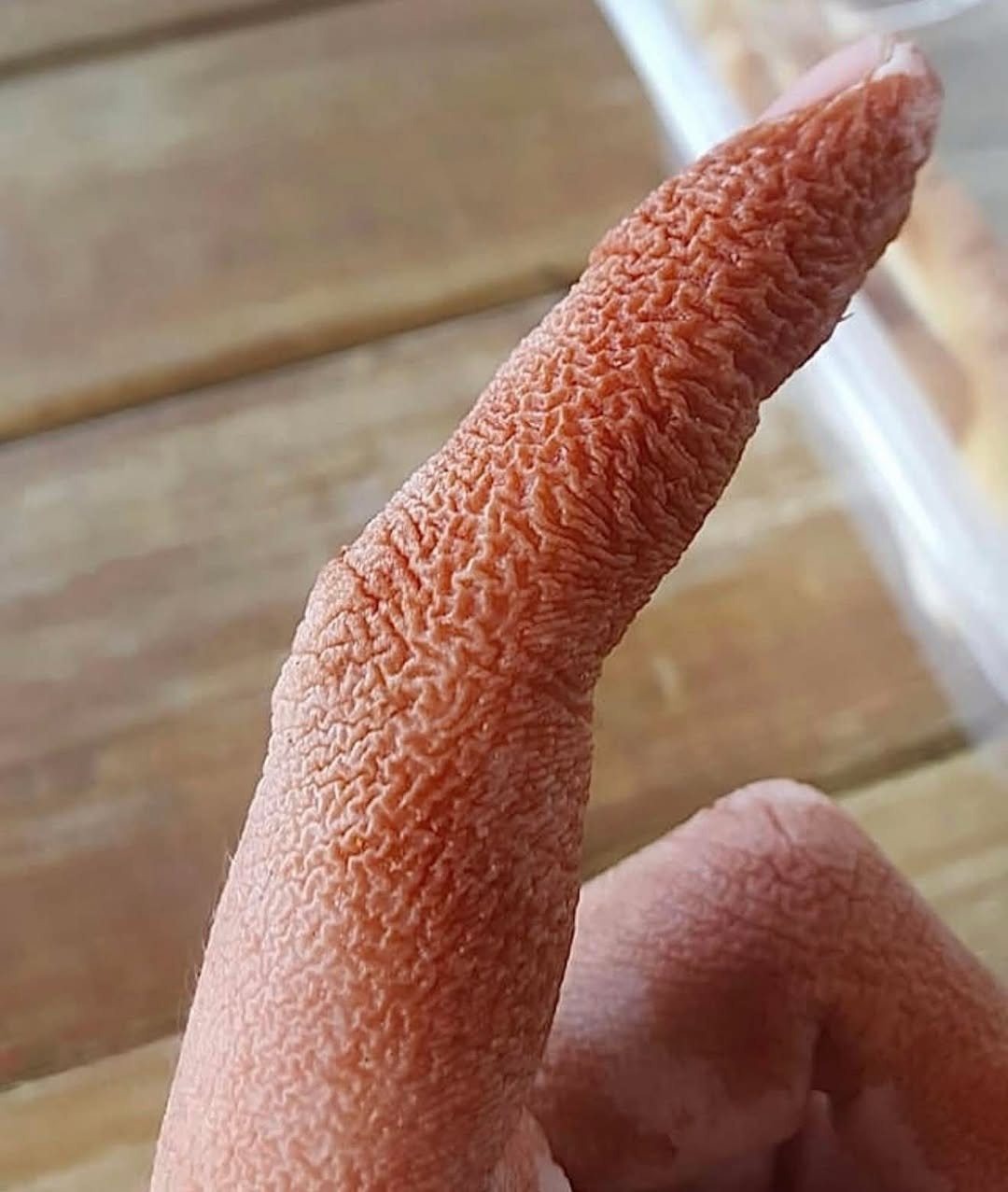
• Fever or systemic symptoms in some cases
• Dense infiltration of neutrophils in the skin
• Rapid response to corticosteroid therapy
The condition was first described by dermatologist Robert Douglas Sweet in 1964, which is why it carries his name.
Causes and Risk Factors
The exact cause of Sweet syndrome is not fully understood. However, researchers believe it involves immune system dysregulation and cytokine-driven activation of neutrophils.
Several factors may trigger the condition:
Infections
Bacterial or viral infections can sometimes precede the development of Sweet syndrome.
Malignancies
Certain cancers—especially hematologic cancers—may be associated with the disorder.
Medications
Drug-induced Sweet syndrome is relatively common and may occur after exposure to medications such as:
• Antibiotics
• Antiepileptic drugs
• Hormonal contraceptives
• Antihypertensive medications
• Vaccines
• Colony-stimulating factors
Autoimmune or Inflammatory Conditions
Some patients develop Sweet syndrome alongside systemic inflammatory disorders.
Common Symptoms
Symptoms can develop rapidly, often within a few days.
Typical signs include: