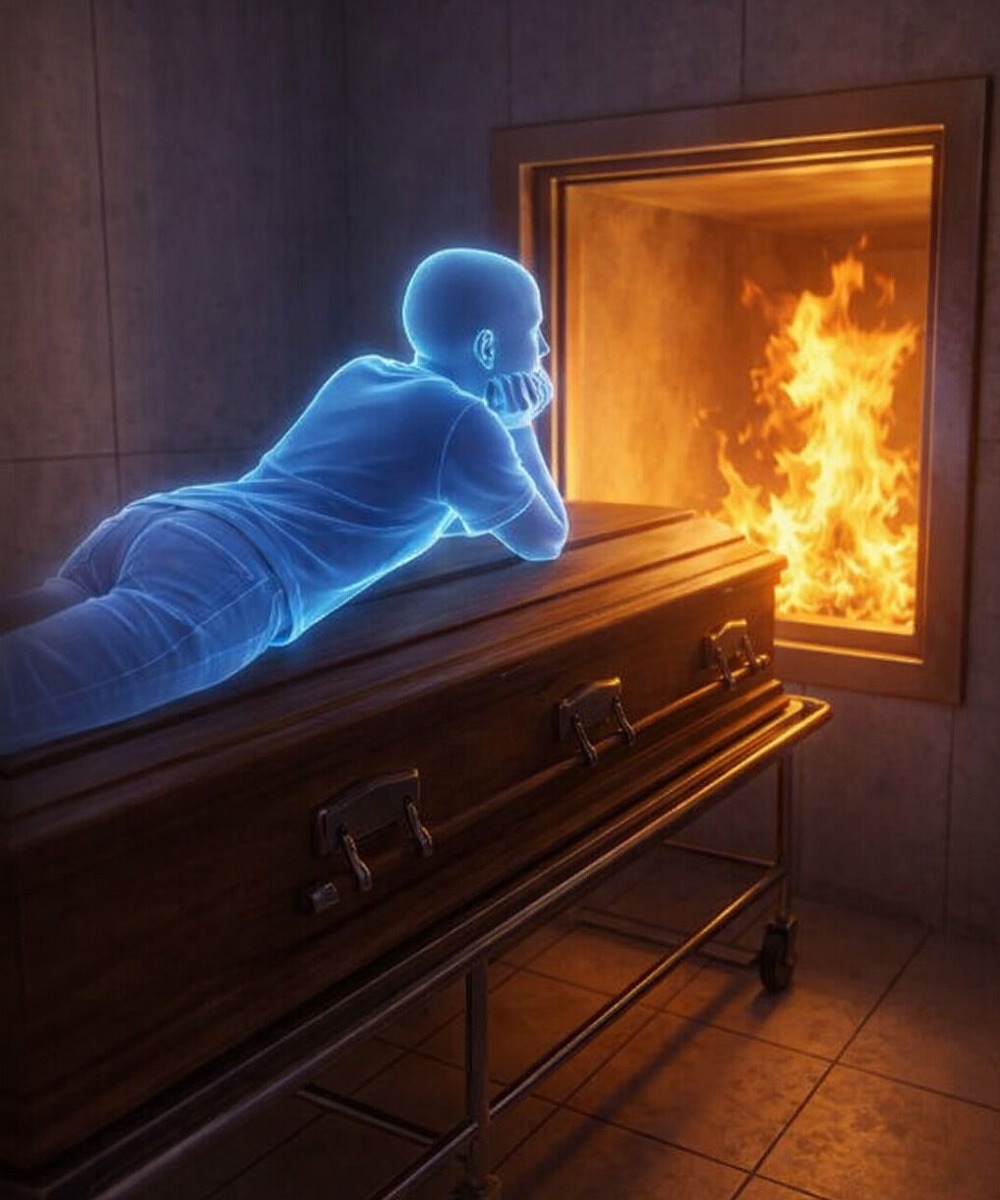
In certain parts of Scripture, fire is associated with divine judgment or punishment. For example, in Joshua 7:25, Achan and his family were stoned and then burned after disobeying God. This leads some believers to connect cremation with negative symbolism, fearing it mimics the fate of the wicked rather than the rest of the righteous.
What the Bible Does Not Clearly Say
Here is the crucial point that often gets overlooked: The Bible does not explicitly forbid cremation.
While burial is the norm, there are instances in Scripture where burning occurs, and notably, it is not always condemned as a sin.
King Saul and His Sons: In 1 Samuel 31:11–13, after King Saul and his sons died in battle, their bodies were recovered by brave men from Jabesh-gilead. The text says they "burned them" and then buried their bones. This was likely done to prevent further desecration by enemies, but the act itself is recorded without moral judgment or condemnation from God.
No Commandment Against It: Nowhere in the Ten Commandments, the teachings of Jesus, or the epistles is there a law stating, "Thou shalt not cremate."
This silence is significant. It suggests that while burial was the cultural preference, the method of body disposal was not a matter of moral law.
Modern Christian Views: A Shift in Perspective
Today, opinions vary widely among Christians, denominations, and theologians.
Traditional View: Some conservative churches and individuals strongly prefer burial, citing tradition and the "seed" symbolism.
The Sin of Cremation: What Does the Bible Actually Say? 📖