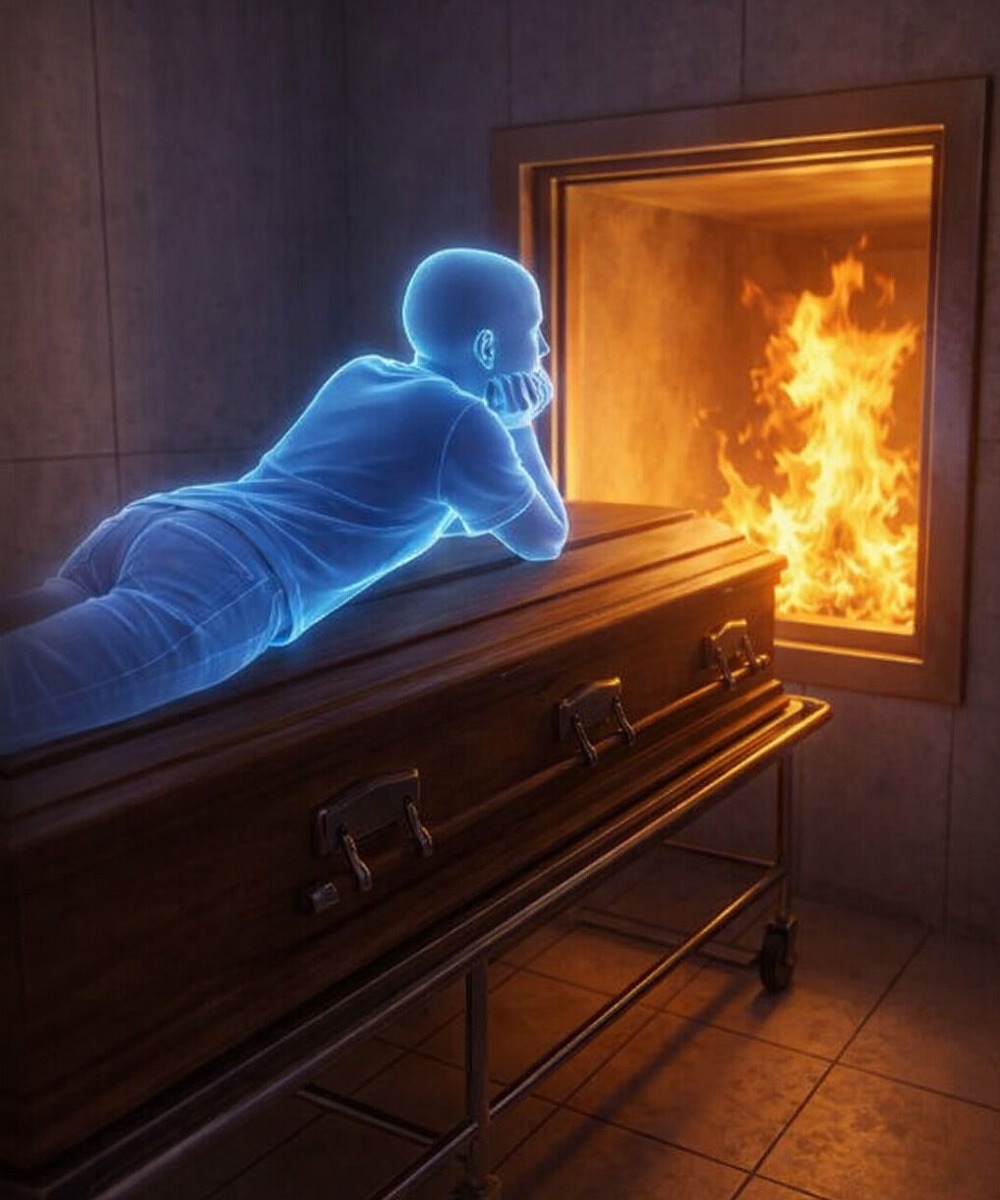
Accepting View: Many mainstream Protestant, Evangelical, and even Catholic churches (which lifted its ban on cremation in 1963) accept cremation, provided it is done respectfully and not as a denial of the resurrection.
Theological Consensus: Most modern theologians agree that cremation does not prevent resurrection.
The core belief is that God’s power is not limited by the physical condition of the body. If God can raise Jesus from a sealed tomb, He can certainly raise a believer from ashes. As Job said in Job 19:25–26, "I know that my redeemer lives... and after my skin has been destroyed, yet in my flesh I will see God." The promise of resurrection relies on God’s omnipotence, not the preservation of our physical molecules.
Is This Decision Spiritually “Healthy”?
From a faith perspective, the focus should not be on the method itself, but on the heart behind it. Ask yourself:
Is there respect for the deceased? Whether buried or cremated, is the process handled with dignity and love?
Are we honoring their wishes? Did the loved one express a preference? Honoring their voice can be an act of love.
Does it maintain faith in God’s promises? Are you trusting that God holds your loved one, regardless of what happens to their earthly remains?
Just like decisions around healthy living, financial planning, or family values, this choice should align with your beliefs and conscience. It is ultimately a personal decision, not a litmus test for salvation.
Key Takeaways (Simple Breakdown)
📖 The Bible does not forbid cremation.
⚰️ Burial is the traditional biblical practice, reflecting cultural norms of the time.
🔥 Cremation appears in Scripture (e.g., Saul) without explicit condemnation.
✝️ Resurrection is not affected by whether a body is buried or cremated. God’s power is unlimited.
❤️ The decision is personal. It should be made with prayer, respect, and peace.
Tips for Making the Right Decision
The Sin of Cremation: What Does the Bible Actually Say? 📖