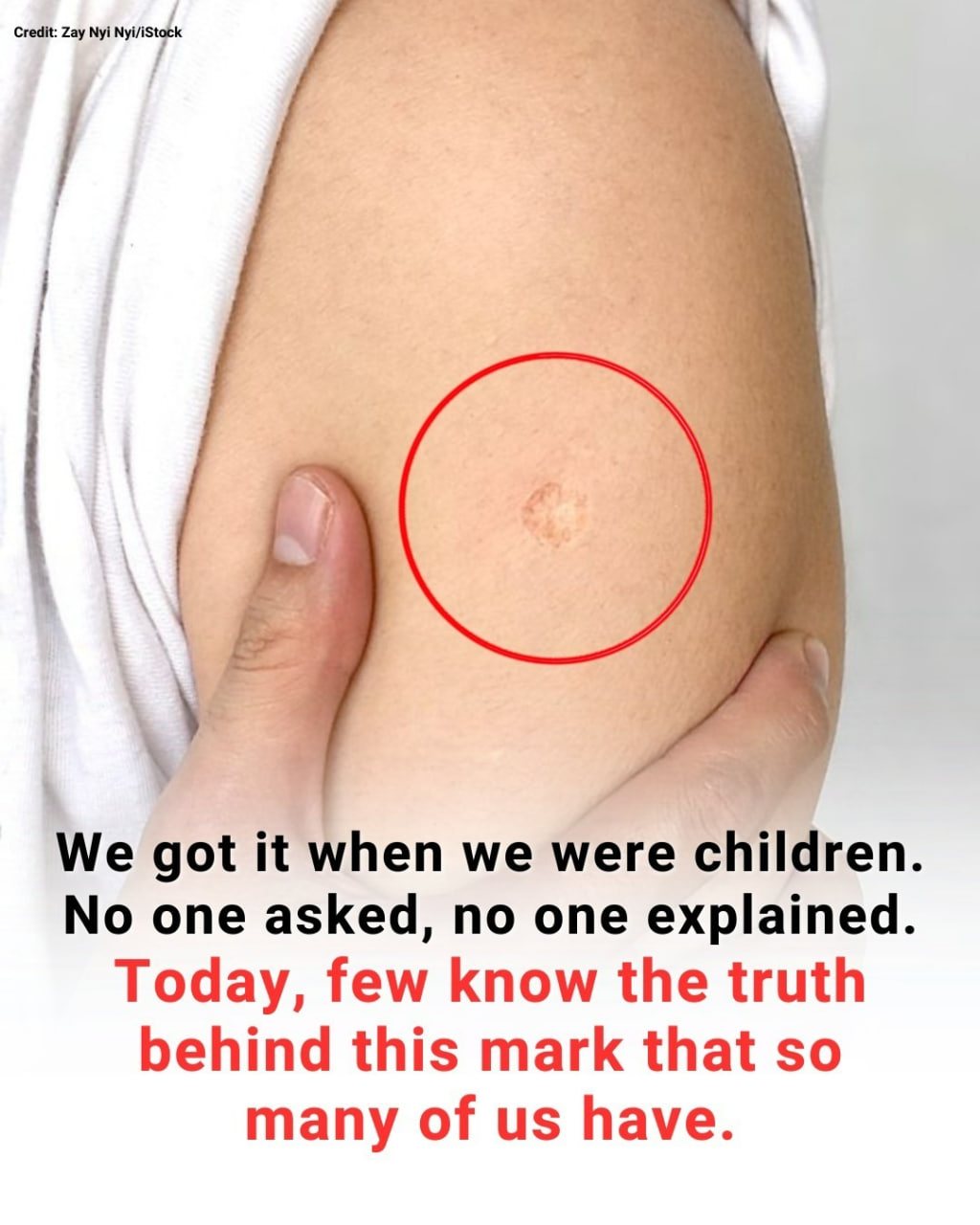
The truth: In some cultures, people have wondered whether the scar was deliberately placed for identification—like a brand or tribal marking.
This isn’t entirely off base in spirit, but it’s wrong in practice. The BCG scar does identify something: it identifies you as someone who received tuberculosis vaccination as a child. But it’s not a cultural or ethnic marker—it’s a public health one.
That said, because BCG vaccination was (and is) practiced in specific regions, the scar does roughly correlate with geography and age. That’s why it’s common in Asia, Africa, Latin America, and Eastern Europe, but rare in the United States, Canada, Western Europe, and Australia (where BCG was never routinely given).
Why the Confusion Persists
Several factors explain why so many people don’t know what their arm scar is:
Parents didn’t explain: In many cultures, parents simply didn’t tell children what the vaccination was for. It was routine, unremarkable.
Medical records lost: As people move, change doctors, or lose childhood records, the information gets lost.
Vaccination schedules changed: Countries that stopped routine BCG vaccination created a generation gap—older people have the scar; younger people don’t.
Lack of public education: Most people learn about vaccines when they’re receiving them. If you were vaccinated as an infant, you never received that education.
What Your Scar Actually Represents